Fruiting
Creating my own "Forest Floor." These are the environmental triggers I've refined over time to signal my mycelium that it's time for a harvest.
Low-Tech Fruiting Chambers
Once the mycelium has conquered the substrate, trigger fruiting by adjusting the environment. While many people make a big deal about these, I have found many varieties will fruit in a tub without doing anything at all. I have fruited lots of mushrooms by just waiting until the cake is fully colonized and then opening the lid and setting it back down on top of the shoebox.
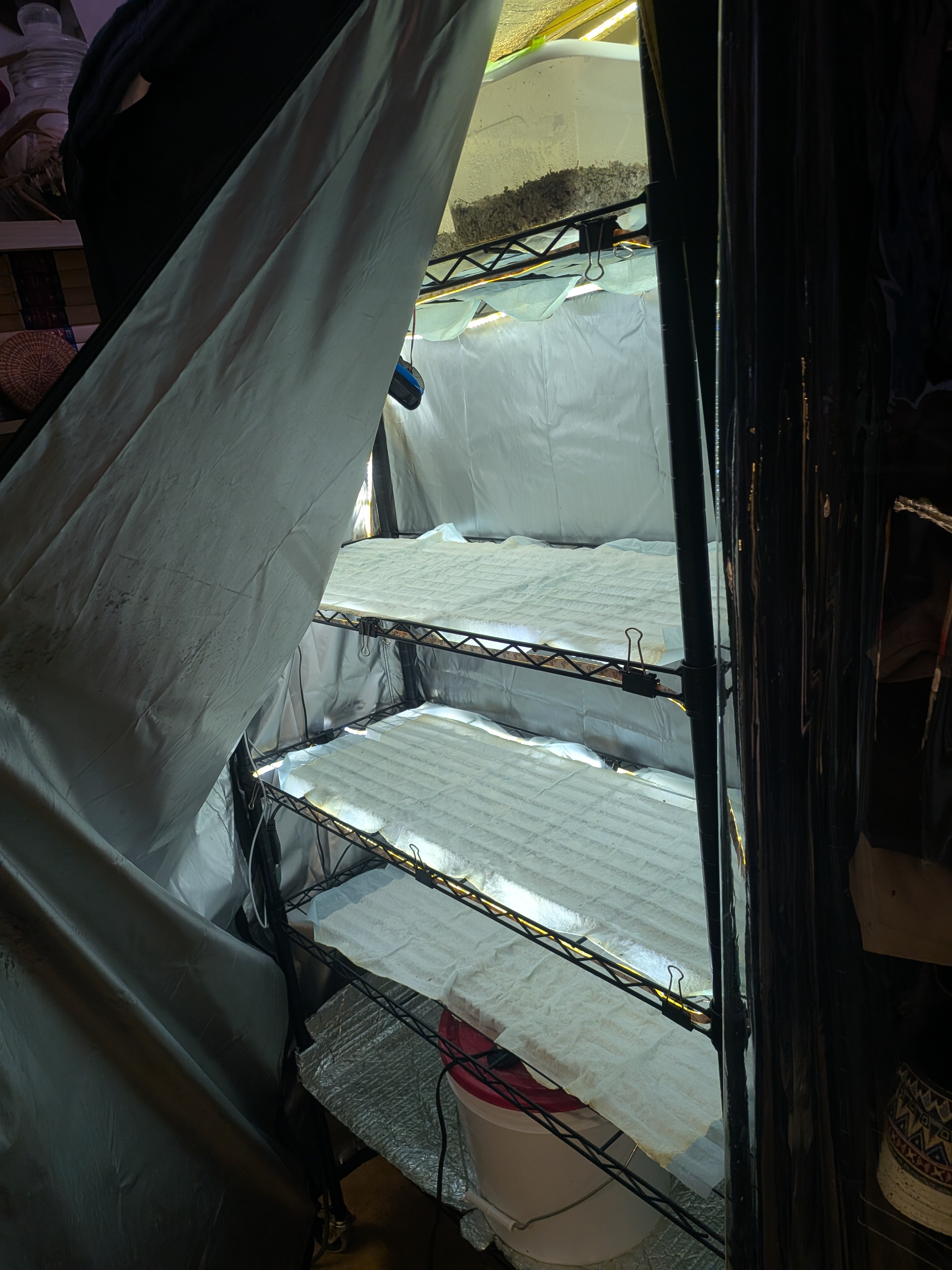
Damp puppy pads provide a high-humidity environment.
I have made a great fruiting chamber for many tubs by covering a wire shelving unit with a zipper covering and putting puppy pads on the shelving and watering the pads when they were dry. I usually check on the chamber once a day and pick what is ready.
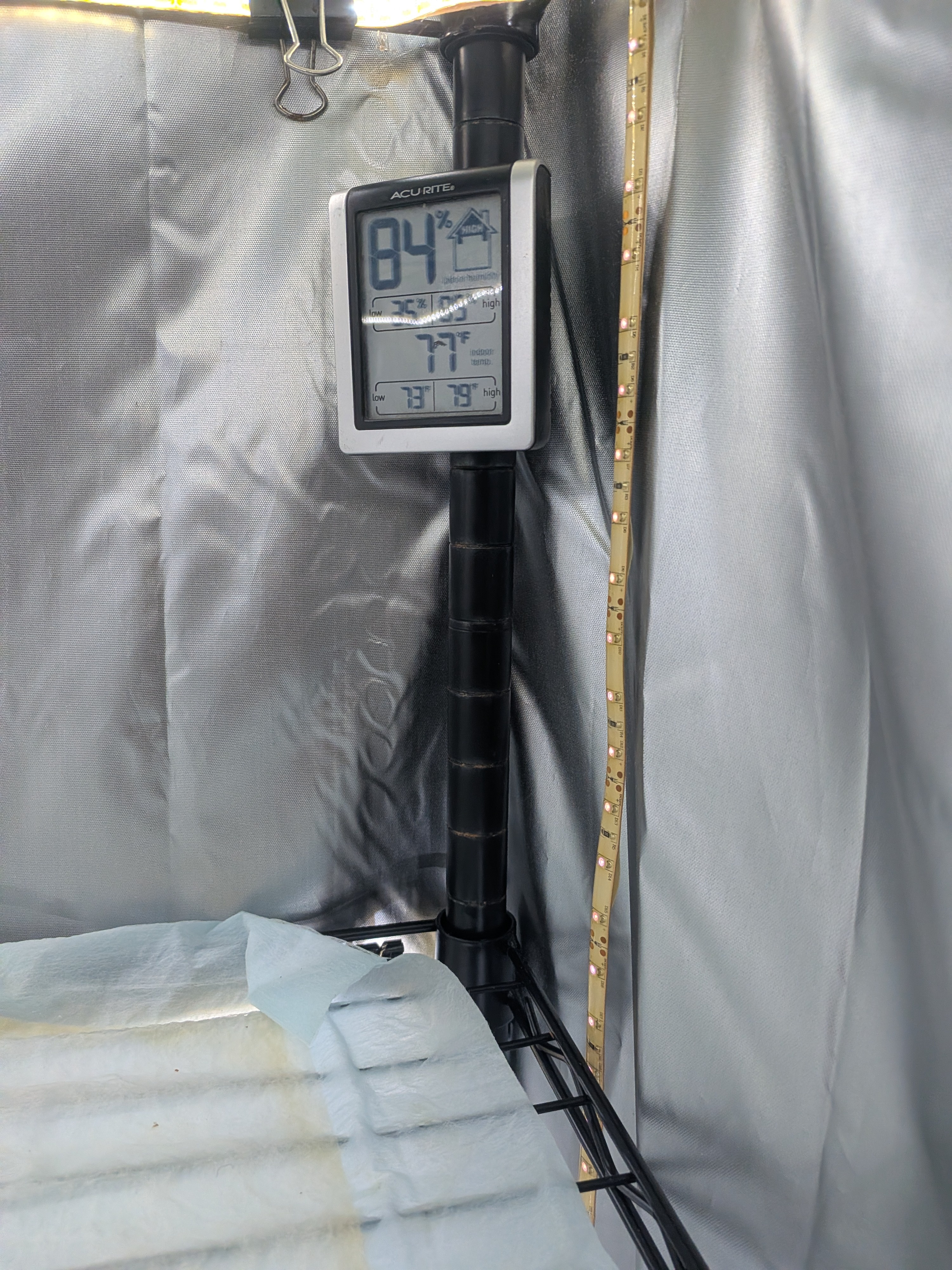
Full fruiting shelf with humidity gauge.
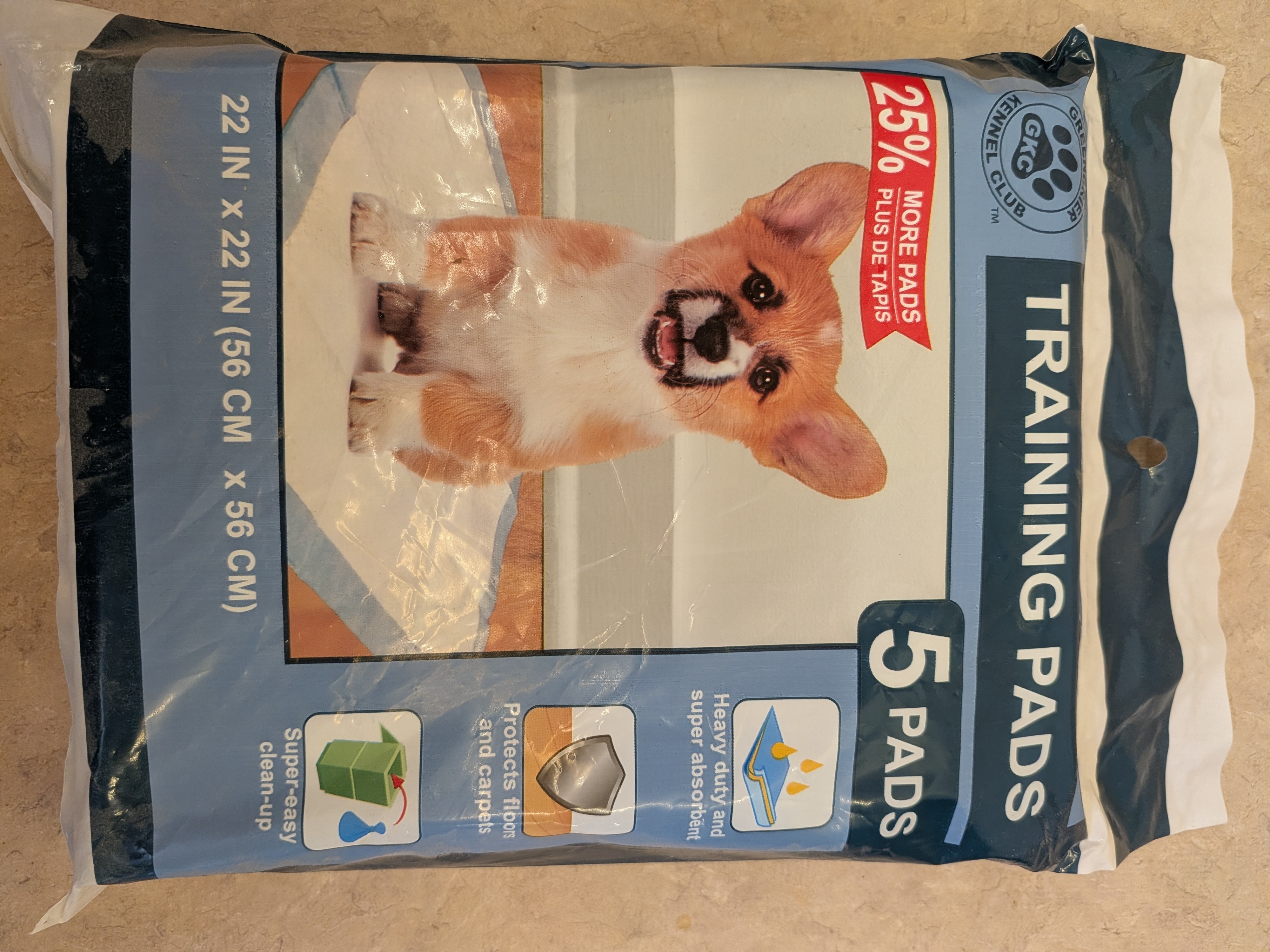
Affordable Materials: You can find puppy pads or incontinence pads at most dollar stores. They are a cheap and effective way to hold moisture in your fruiting chamber.
- FAE: Increase Fresh Air Exchange to lower CO2 levels. Is important for some species. Oysters love fresh air. Many species dont care. Dung lovers seem mostly oblivious. if you see fuzzy growth at the base of the mushroom you probably need more air but unlikely to prevent growth.
- Humidity: Maintain high humidity (90%+). With puppy pads watered daily-ish ive found no need to worry about it.
- Light: A subtle light cycle signals the direction of growth. Dim led lighting is all I use. I mainly have lights for making harvesting and monitoring easier.
DIY Environment Control
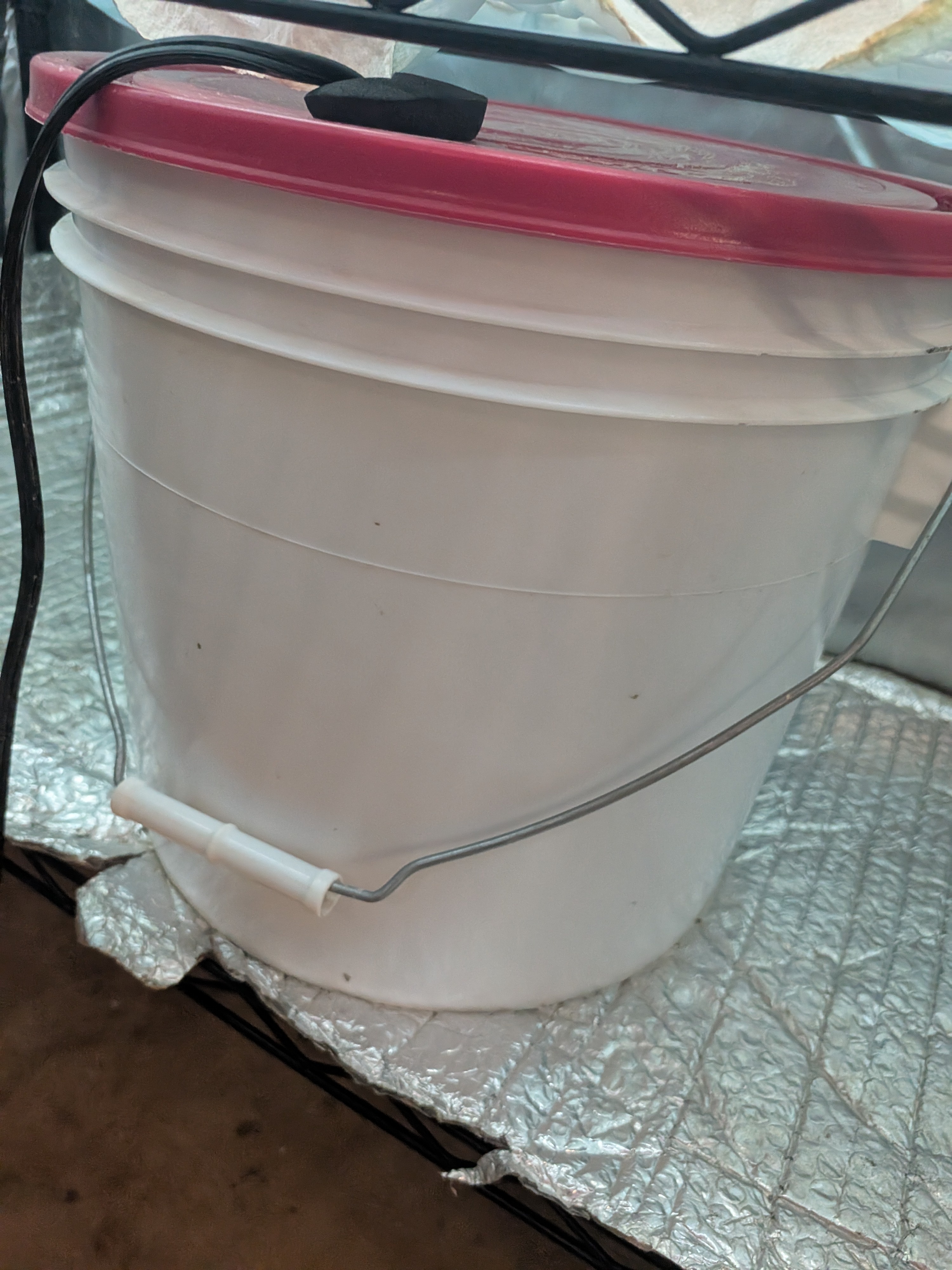
A simple bucket full of water with a lid and an aquarium heater inside works as an effective space heater inside a small grow chamber. It provides consistent, gentle heat without drying out the air.
Note: This setup is specifically for warm-loving mushrooms and is usually unnecessary for most growers. Most mushrooms prefer cooler conditions and have no problem thriving in average human living conditions (room temperature).
Species Nuances
Different species have different requirements. For example, Oysters require much more FAE than most other species to prevent "leggy" or stemmy growth. Mastering these nuances is the key to consistent, high-yield flushes.